in the wave of digital transformation, cloud computing services have become the first choice for many enterprises and individual users. especially in thailand, lightweight cloud servers are widely popular for their flexibility and affordability. this article will discuss the usage scenarios and price comparison of lightweight cloud servers in thailand to help users make a wise choice.
a lightweight cloud server is a virtualization service that provides simple and easy-to-use computing resources. compared with traditional servers, lightweight cloud servers have higher flexibility, and users can quickly expand or shrink resources as needed. it is generally suitable for small and medium-sized businesses, developers and individual users, and is favored for its lower cost and rapid deployment capabilities.
in thailand, lightweight cloud servers are used in various scenarios. first of all, for start-ups, lightweight cloud servers can help them quickly build websites and applications without requiring large investments. secondly, for developers, lightweight cloud servers provide a flexible environment that can be used to test and deploy various applications. in addition, e-commerce platforms and online education institutions can also use lightweight cloud servers to handle peak traffic to ensure the stability and reliability of their services.
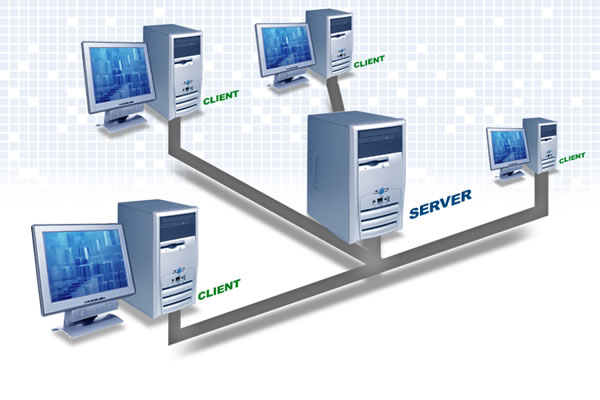
as more and more enterprises transform to digitalization, the demand for lightweight cloud servers in enterprise-level applications is gradually rising. such servers can support multiple business applications, including customer relationship management (crm), content management systems (cms) and online payment systems. by using lightweight cloud servers, enterprises can not only reduce operating costs, but also improve business flexibility and response speed.
security is an important consideration in cloud computing services. lightweight cloud servers in thailand offer a variety of security measures, including data encryption, firewalls, and regular backups. these functions can effectively protect users’ data security and reduce the risk of potential cyber attacks. in addition, many service providers also provide ddos protection to ensure that servers can still operate normally under high-traffic attacks.
price is an important consideration when choosing a lightweight cloud server. there may be differences in price between different service providers, so users should compare based on their own needs. usually, lightweight cloud servers adopt a pay-as-you-go billing model, and users only pay for the resources actually used. additionally, many providers offer trial periods to allow users to try out the service before making a decision. this flexible pricing method gives lightweight cloud servers significant advantages in cost performance.
when choosing a lightweight cloud server in thailand, users should consider multiple factors, including performance, reliability, support services and price. first, evaluate your own business needs and choose an appropriate configuration. secondly, pay attention to the customer reviews and technical support capabilities of the service provider to ensure that you can get help in time when you encounter problems. in addition, understanding the relevant terms of service and privacy policy is also a key step in choosing the right service.
thailand's lightweight cloud servers have become the first choice for more and more enterprises and individual users due to their flexibility and economy. through the analysis of this article, users can clearly understand its usage scenarios and price comparisons. when choosing a lightweight cloud server, it is recommended that users conduct a comprehensive evaluation based on their own needs, budget and service quality to ensure that they choose the most suitable cloud service. by rationally utilizing lightweight cloud servers, users can better promote business development and achieve digital transformation goals.
- Latest articles
- How To Enhance Data Recovery Capabilities Under German VPS Hosting Through Snapshots And Automatic Backups
- How To Choose An Alibaba Cloud Hong Kong Server VPS To Meet Multi-site Concurrent Access Needs
- Performance Testing Methods For South Korean CN2 Station Clusters: Key Points For Packet Loss Delay And Throughput Evaluation
- Performance Comparison Of The Hong Kong Sha Tin CN2 Host With Other CN2 Nodes On The Market
- Assessing The Speed Of VPS In Vietnam From A Business Perspective And Its Impact On E-commerce And Content Distribution
- In-depth Analysis Of Key Points For Selecting Taiwan CN2 Routes To Help Enterprises Select The Right Connection Channels
- Detailed Guide And Deployment Recommendations On How Corporate Websites And E-commerce Platforms Can Adapt To Hong Kong Server Hosting
- Developer's Guide: What Does Korean VPS Mean? Environment Configuration And Common Compatibility Issues
- Behind-the-scenes Interviews Curated The Charm Secrets Of Thai Variety Show Data Centers
- Key Points Reminder For Enterprise-Level Projects Choosing Singapore Cloud Server CN2 Service Providers
- Popular tags
-

Backup And Recovery Strategy To Develop A Zero-loss Disaster Recovery Plan For Thai E-commerce Vps
vps zero-loss disaster recovery solution for thai e-commerce, introducing risk assessment, rpo/rto settings, backup strategies, real-time replication, recovery drills and compliance points to help achieve high availability and data security in bangkok and the thai market. -

Security And Performance Evaluation Of Cloud Servers Outside Thailand
this article conducts a comprehensive evaluation of the security and performance of cloud servers outside thailand to help users choose appropriate cloud services. -

Domestic Access Acceleration Tips Apply To Thailand-based VPS Deployment Solutions With GPUs
It introduces tips and deployment solutions for accessing Thai VPS servers with graphics cards faster from within China, covering network optimization, line selection, transmission protocols, CDN, deployment processes, and maintenance suggestions, with an emphasis on practical and compliant key points.